
CNshopper Finds
Spreadsheet
OVER 5000+
WITH QC PHOTOS
Click the images below to browse!
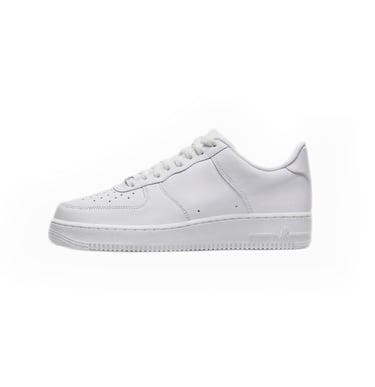
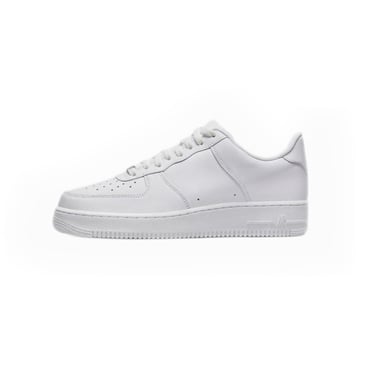
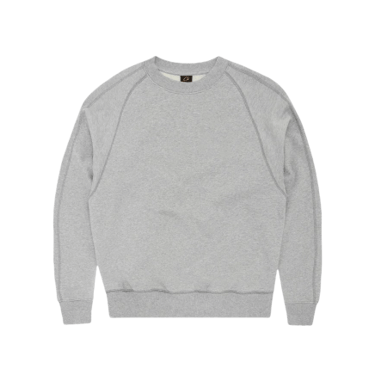
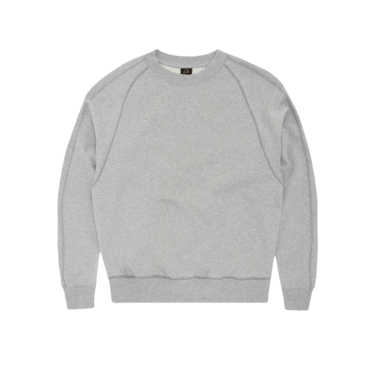
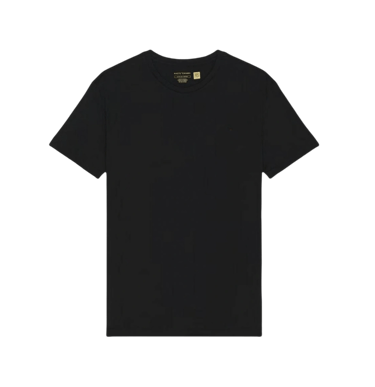
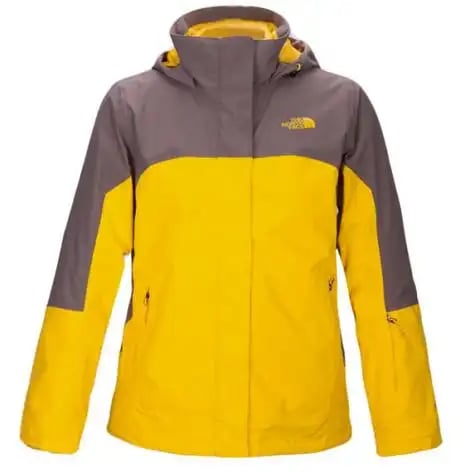

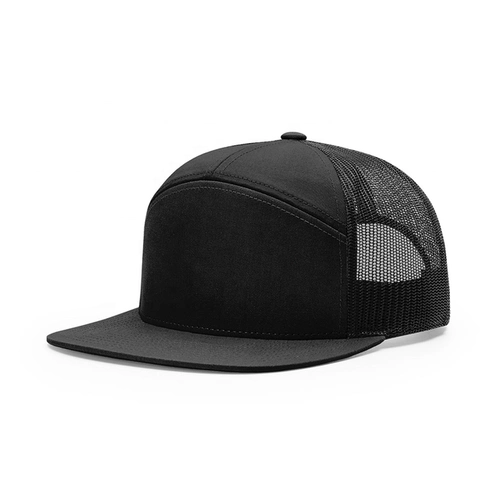
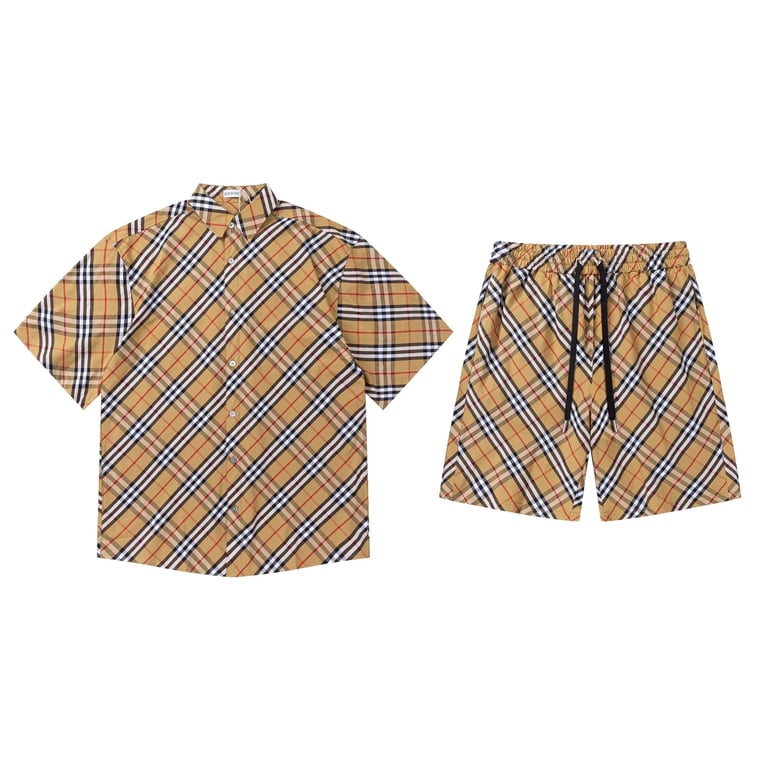
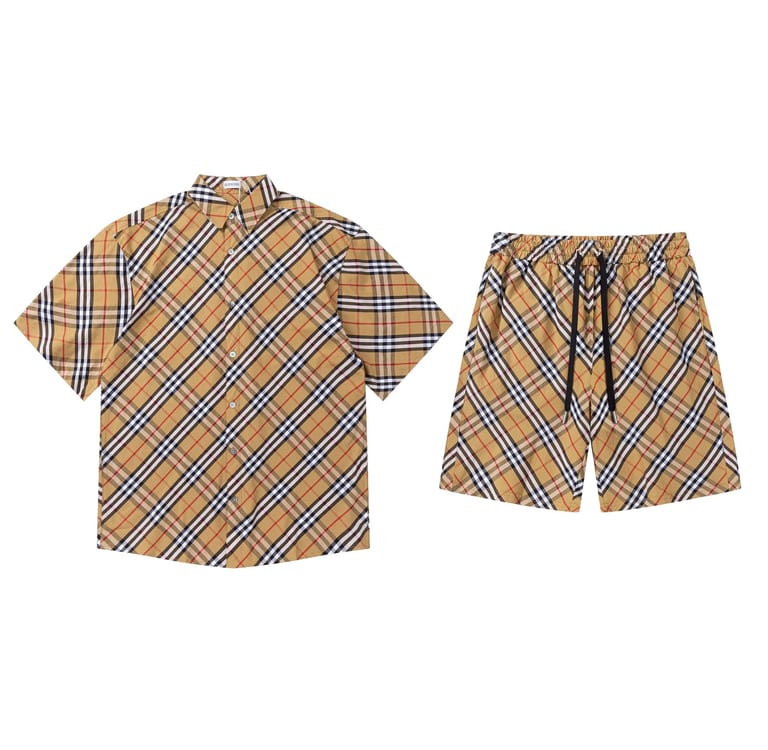
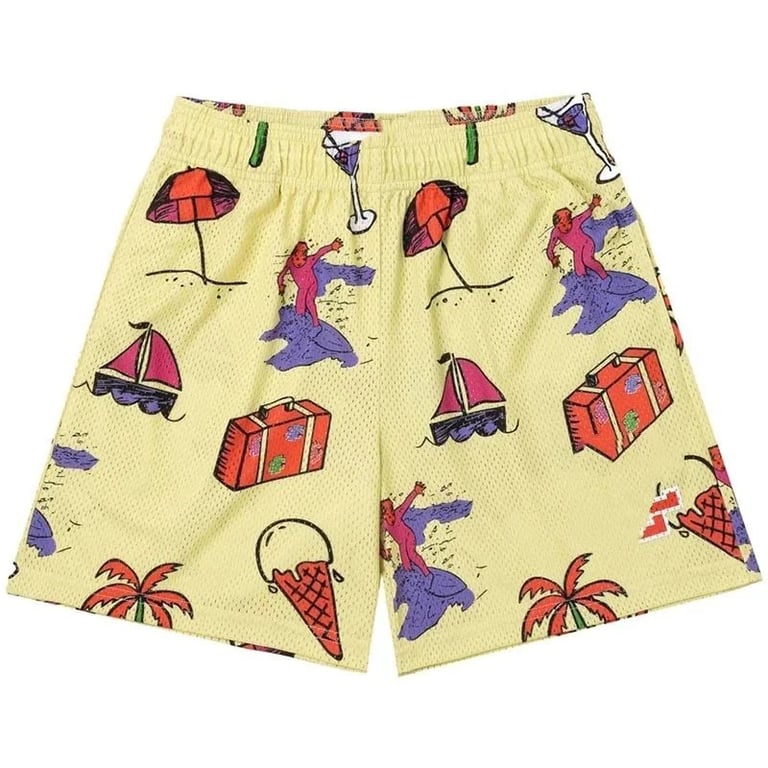
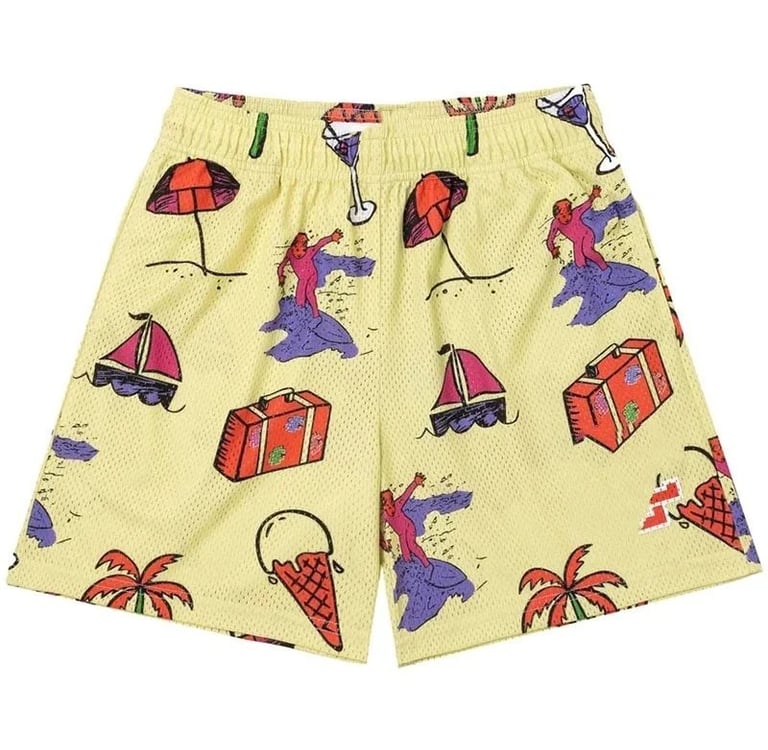
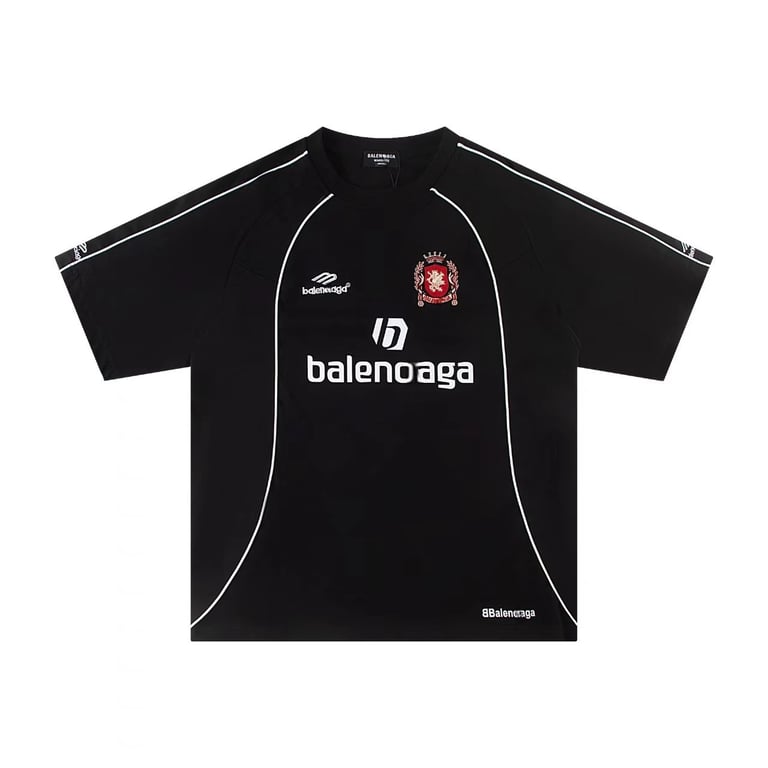
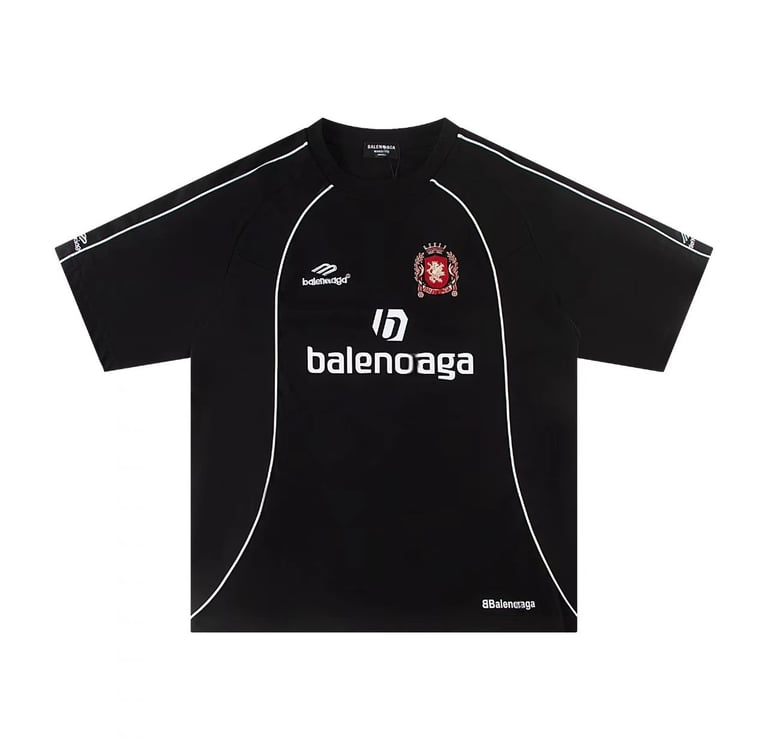


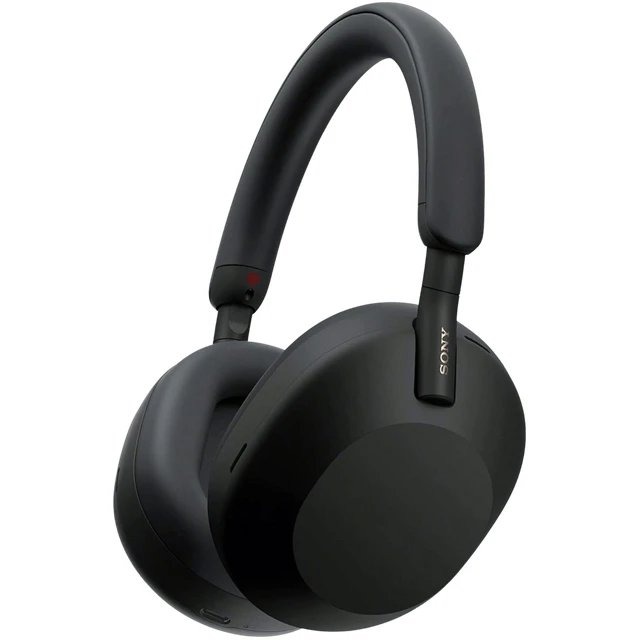
Top selling products found in CNshopper spreadsheet
In cross-border ecommerce, “best-selling products” are often misunderstood as items that are simply popular on social media or temporarily viral. In reality, sustained best-sellers are defined by supply consistency, repeated supplier adoption, and stable demand signals across multiple sourcing channels.
The CNshopper spreadsheet does not treat best-selling items as isolated winners. Instead, it organizes them as repeatable product patterns that can be observed across multiple suppliers, price tiers, and variation structures. This makes it possible to identify not only what is selling well, but why it is selling well and whether it can continue to perform.
This article explains how top-selling products are identified inside the CNshopper spreadsheet system and what makes certain items consistently outperform others in cross-border markets.
Understanding what “best-selling” means in CNshopper system
In traditional ecommerce, best-selling products are usually defined by sales volume rankings. However, in the CNshopper spreadsheet system, best-selling status is determined through supply-side and structure-based signals rather than retail dashboards.
A product is considered a strong seller when it shows:
Repeated appearance across multiple supplier listings
Continuous variation expansion (colors, sizes, bundles)
Stable pricing behavior across different sellers
Long-term presence instead of short-term spikes
This approach focuses on structural demand stability rather than temporary popularity bursts.
Step 1: Identifying repetition across suppliers
One of the strongest indicators of a best-selling product in the CNshopper spreadsheet is repetition.
When the same or highly similar product appears across many suppliers, it suggests:
Strong underlying demand
Easy manufacturability and replication
Low barrier to entry for suppliers
Market-wide adoption of the product type
Repetition is not noise—it is confirmation that a product has entered a competitive but stable supply phase.
Products that appear only once or twice are less likely to be consistent best-sellers.
Step 2: Observing variation expansion as demand evidence
Best-selling items often evolve quickly in terms of variation structure.
Inside the CNshopper spreadsheet, this is visible through:
Increasing color options over time
Introduction of upgraded or bundled versions
Material or design diversification
Expansion into multiple use-case versions
When suppliers invest in expanding variations, it indicates confidence in long-term demand rather than short-term interest.
Variation growth is therefore a strong signal of product strength.
Step 3: Analyzing pricing stability across listings
A key characteristic of best-selling products is pricing consistency.
In the CNshopper spreadsheet, stable products tend to show:
Narrow price ranges across suppliers
Minimal extreme price deviations
Predictable bulk pricing structures
Balanced competition among sellers
When pricing remains stable despite high availability, it indicates a mature and balanced supply-demand relationship.
Highly volatile pricing, on the other hand, often signals unstable or emerging products.
Step 4: Detecting category-level dominance
Best-selling products rarely exist alone—they form clusters within categories.
Inside the CNshopper spreadsheet, strong categories show:
Multiple similar products performing consistently
Repeated demand patterns across subtypes
High density of supplier listings within the same category
Continuous refresh of related product variations
This means that success is not only at product level but also at category ecosystem level.
For example, home organization tools or basic apparel categories often contain multiple overlapping best-selling items.
Step 5: Evaluating supplier behavior patterns
Supplier activity is another important indicator of best-selling products.
In the CNshopper spreadsheet, strong-performing items often show:
Multiple suppliers actively listing the same product type
Frequent updates or listing refreshes
Competitive pricing adjustments across sellers
Expansion into related product variations
When suppliers continuously invest in a product line, it suggests ongoing demand confidence.
Supplier behavior is often a more reliable signal than consumer-facing trends.
Step 6: Separating stable best-sellers from short-term spikes
Not all popular products are long-term winners. The CNshopper spreadsheet distinguishes between:
Stable best-sellers: consistent demand over time
Trend spikes: short-term viral interest
Seasonal performers: temporary but predictable cycles
Experimental products: early-stage testing items
This classification helps users avoid confusing temporary hype with sustainable performance.
Stable best-sellers are usually the safest sourcing targets.
Step 7: Using CNshopper links for validation of best-selling items
Once a product is identified as a potential best-seller, validation is essential.
Through CNshopper links, users can:
Verify real supplier listings
Check live pricing and stock conditions
Compare variation completeness across sellers
Confirm whether demand signals match actual availability
This ensures that spreadsheet-level signals are supported by real-world sourcing data.
Common mistakes when identifying best-selling products
Many users misinterpret best-selling signals due to lack of structure:
Relying only on external trend indicators
Confusing viral spikes with stable demand
Ignoring supplier repetition patterns
Overvaluing single-source performance
Failing to validate through direct supplier access
The CNshopper spreadsheet is designed to reduce these errors by focusing on structural indicators.
Practical workflow for finding best-selling items
A structured approach inside CNshopper system includes:
Scan product clusters in CNshopper spreadsheet
Identify repeated listings across suppliers
Check variation expansion patterns
Analyze pricing stability ranges
Evaluate category-level density
Filter stable vs short-term items
Validate using CNshopper links
This workflow ensures decisions are based on structure, not speculation.
Conclusion
The CNshopper spreadsheet defines best-selling products through structural signals such as supplier repetition, variation growth, pricing stability, and category clustering. Instead of relying on external rankings or temporary trends, it focuses on long-term supply behavior.
When combined with CNshopper links, users can move from identification to real-time validation, creating a complete system for recognizing and sourcing stable best-selling items in cross-border ecommerce markets.


How CNshopper links help track best-selling items
In cross-border ecommerce, identifying best-selling items is only half of the challenge. The real difficulty lies in continuously tracking whether those items remain strong performers over time. Products that appear successful at one moment can quickly lose momentum due to pricing shifts, supplier saturation, or variation changes. Without a tracking mechanism, sellers often make decisions based on outdated or incomplete information.
The CNshopper links system addresses this problem by enabling direct, real-time access to supplier-level data tied to product entries in the CNshopper spreadsheet. Instead of treating best-sellers as static data points, the system allows users to monitor their live performance conditions across multiple suppliers.
This article explains how CNshopper links help track best-selling items through real-time validation, supplier comparison, and continuous market monitoring.
Why tracking best-sellers is more important than finding them
Most ecommerce strategies focus heavily on discovering winning products, but fail to maintain visibility after selection. In reality, product performance is dynamic.
A best-selling item can change due to:
Sudden price drops from competitors
Increased supplier replication leading to saturation
Variation changes that affect customer preference
Stock instability or supply chain interruptions
Seasonal demand shifts
Because of this, static lists are not enough. Continuous tracking is required to maintain accurate sourcing decisions.
The CNshopper links system provides this dynamic tracking layer by connecting spreadsheet data to live supplier environments.
Step 1: Moving from static data to live supplier environments
Inside the CNshopper spreadsheet, products are organized and identified based on performance signals such as repetition, pricing stability, and variation behavior. However, these signals represent a snapshot in time.
With CNshopper links, users can:
Open the original supplier product page instantly
Access updated pricing information
Check current stock availability
Observe real-time variation changes
This transforms best-selling analysis from static evaluation into live observation.
Step 2: Monitoring price fluctuations across suppliers
One of the most important indicators of a best-selling item is pricing behavior.
Through CNshopper links, users can track:
Whether prices remain stable across time
Whether competitors are lowering prices aggressively
Whether bulk pricing structures are changing
Whether discount patterns are becoming more frequent
Stable pricing usually indicates a mature, strong-performing product, while unstable pricing may signal oversaturation or declining demand.
This real-time visibility helps users understand whether a product is still a reliable best-seller or entering decline.
Step 3: Tracking supplier expansion and replication
Best-selling items often attract multiple suppliers who begin listing similar products.
Using CNshopper links, users can directly check:
Whether new suppliers are entering the same product category
How quickly similar listings appear across micro-stores or factories
Whether product variations are being copied or expanded
Whether competition intensity is increasing
Supplier replication is a strong signal that a product is still active in demand cycles.
However, excessive replication can also indicate saturation, which must be monitored closely.
Step 4: Observing variation changes in real time
Variation structure is one of the most sensitive indicators of product performance.
With CNshopper links, users can track:
New colors or designs being introduced
Bundled versions or upgraded models appearing
Discontinued variations or reduced options
Differences in variation availability across suppliers
When variations expand steadily, it often signals ongoing demand growth. When variations shrink, it may indicate declining product relevance.
Step 5: Comparing multiple supplier performance signals
Best-selling tracking is not based on a single supplier—it requires cross-supplier analysis.
Through CNshopper links, users can:
Open multiple supplier pages for the same product
Compare pricing consistency across sources
Evaluate differences in stock stability
Identify which suppliers are most actively supporting the product
This multi-source comparison helps validate whether a product is genuinely strong or only performing well in isolated cases.
Step 6: Detecting early signs of product decline
Tracking is not only about confirming success—it is also about identifying decline early.
Using CNshopper links, users can detect:
Reduced listing frequency across suppliers
Fewer variation updates over time
Increasing price instability or discounts
Stock shortages or inconsistent availability
These signals often indicate that a previously strong product is losing momentum in the market.
Early detection allows sellers to adjust sourcing strategies before losses occur.
Step 7: Connecting tracking insights back to CNshopper spreadsheet
The real power of the system comes from combining structured data with live tracking.
The CNshopper spreadsheet provides:
Initial identification of best-selling candidates
Structured grouping of similar products
Historical pattern signals
The CNshopper links provide:
Real-time supplier verification
Ongoing performance tracking
Live market behavior updates
Together, they form a continuous loop:
Identify products in spreadsheet
Validate using links
Track performance over time
Update sourcing decisions accordingly
This creates a dynamic product intelligence system rather than a static list.
Common mistakes in tracking best-selling products
Without a structured tracking system, users often:
Assume best-sellers remain stable indefinitely
Rely only on spreadsheet-level snapshots
Ignore real-time supplier changes
Fail to monitor pricing shifts over time
Overlook early signals of saturation
These mistakes often lead to late-stage sourcing decisions and reduced profitability.
Practical workflow for tracking best-selling items
A structured tracking process includes:
Identify best-selling candidates in CNshopper spreadsheet
Open supplier pages using CNshopper links
Monitor pricing changes over time
Compare multiple supplier behaviors
Track variation updates and availability
Detect early saturation signals
Adjust sourcing decisions dynamically
This workflow ensures continuous visibility rather than one-time evaluation.
Conclusion
The CNshopper links system enables real-time tracking of best-selling items by connecting structured product data in the CNshopper spreadsheet with live supplier environments. Instead of relying on static lists, users can continuously monitor pricing, variation changes, supplier expansion, and market saturation signals.
When used together, these tools create a dynamic tracking system that allows sellers to understand not just what is selling well, but whether it will continue to perform in the future—an essential advantage in fast-moving cross-border ecommerce markets.