
About CNshopper Spreadsheet
Click the images below to browse!


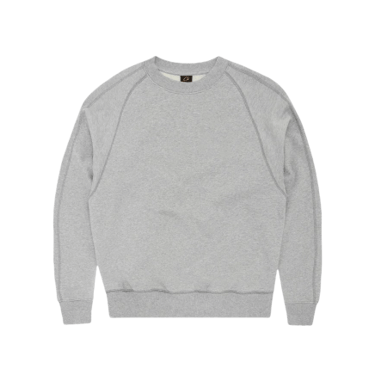
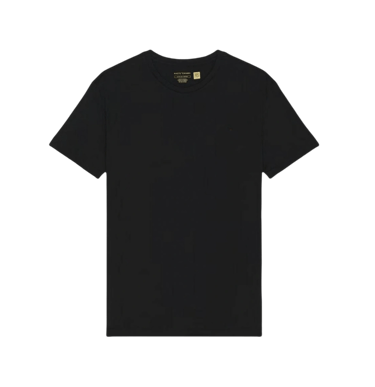
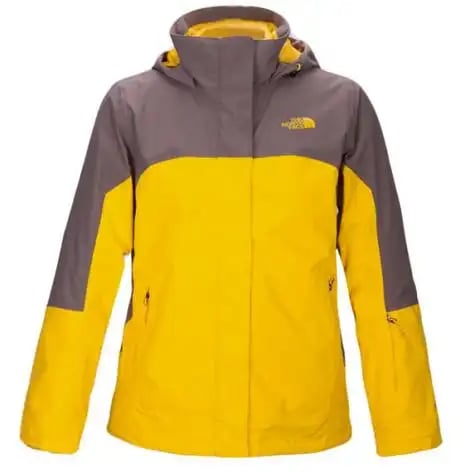

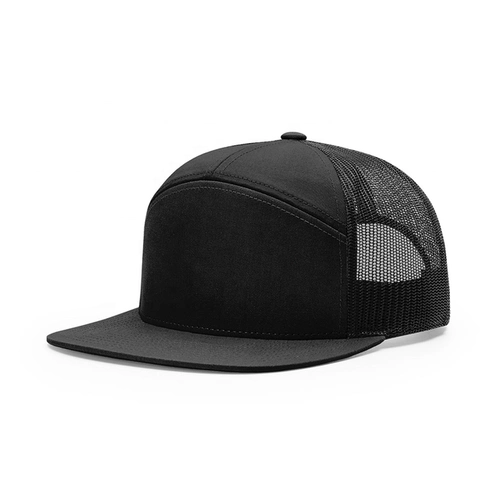
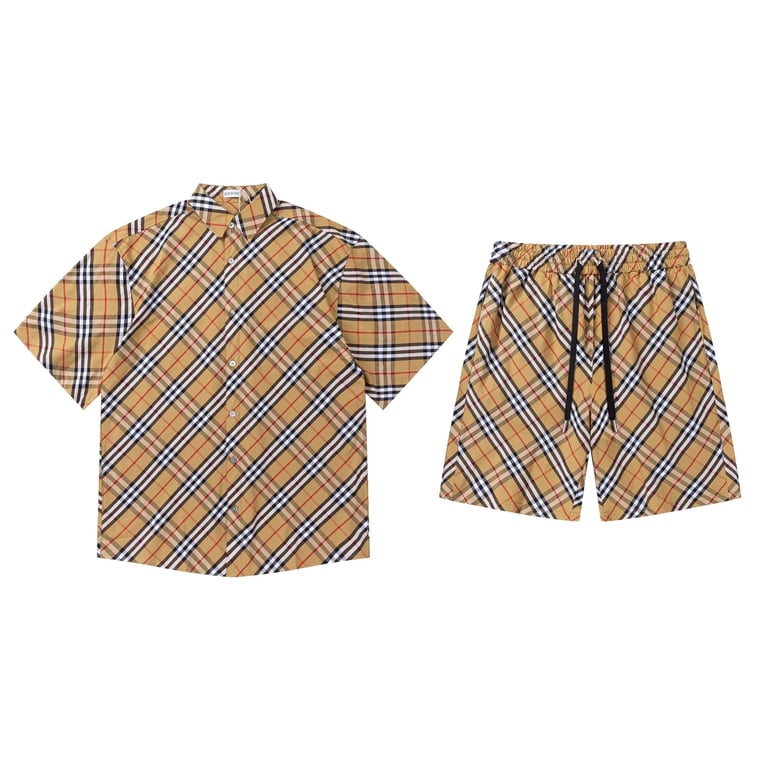
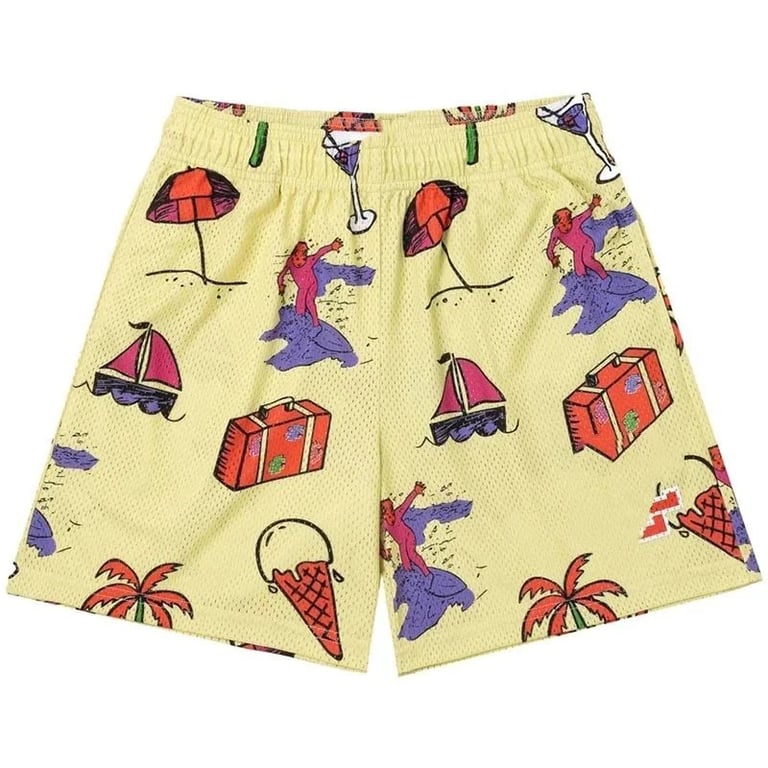
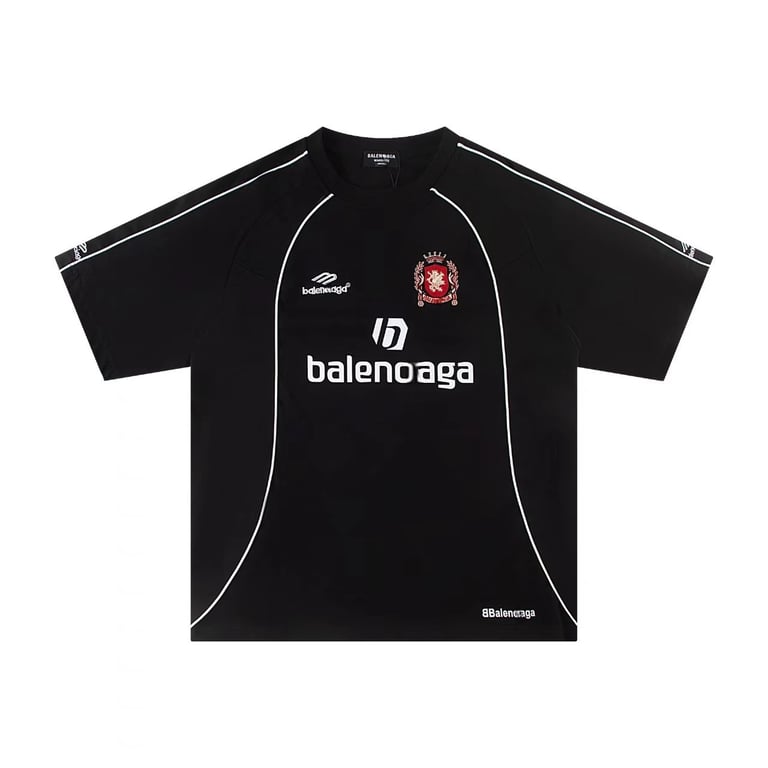



Identifying winning products using CNshopper spreadsheet
In cross-border ecommerce, “winning products” are often misunderstood as viral items or short-term bestsellers. In practice, many viral products fail quickly due to unstable supply, aggressive competition, or weak repeat demand. A true winning product is not just popular—it is structurally sustainable, repeatable across suppliers, and scalable in sourcing operations.
The CNshopper spreadsheet is designed to help users identify these winning products by focusing on supply-side signals rather than surface-level popularity. Instead of relying on external trend data, it analyzes how products behave inside sourcing ecosystems such as micro-stores and wholesale suppliers.
This article explains how to identify winning products using the CNshopper spreadsheet, focusing on structural signals, comparison logic, and decision-making frameworks.
What defines a “winning product” in CNshopper system
In the CNshopper spreadsheet, a winning product is not defined by one-time sales spikes. Instead, it is identified through consistent patterns across multiple dimensions.
A winning product typically shows:
Repetition across multiple suppliers
Stable or controlled pricing structure
Clear and expandable variation system
Continuous presence in updated listings
Strong category clustering behavior
These signals indicate that the product is not dependent on a single supplier or temporary trend, but is supported by broader market demand.
Step 1: Detecting repetition across supplier networks
One of the most reliable indicators of a winning product is repetition.
Inside the CNshopper spreadsheet, repetition appears when:
The same product is listed by multiple suppliers
Similar designs appear with minimal variation differences
Multiple micro-stores independently offer the same item
This suggests that the product has been widely adopted in the supply chain.
Repetition reduces sourcing risk and increases the likelihood of stable long-term demand.
Step 2: Evaluating structural consistency of product listings
Winning products usually maintain consistent structure across suppliers.
The CNshopper spreadsheet highlights structural consistency through:
Similar product descriptions across listings
Standardized variation formats (size, color, packaging)
Comparable product positioning across suppliers
When product structure remains stable across different sources, it indicates maturity in the supply chain and reduces uncertainty in sourcing decisions.
Step 3: Analyzing variation scalability
A key feature of winning products is their ability to expand through variations.
Inside the CNshopper spreadsheet, strong products often show:
Increasing number of color or style options
Addition of bundled or upgraded versions
Adaptation into multiple use-case variations
Consistent variation availability across suppliers
Variation scalability indicates that suppliers are actively investing in the product, which usually correlates with sustained demand.
Step 4: Identifying pricing stability patterns
Pricing behavior is one of the most important signals for evaluating product quality.
Winning products in the CNshopper spreadsheet typically show:
Narrow price range across suppliers
Limited extreme discount fluctuations
Predictable bulk pricing structures
Stable pricing over time despite competition
Stable pricing suggests a balanced supply-demand relationship, which is essential for long-term product viability.
Highly volatile pricing often indicates unstable or oversaturated products.
Step 5: Evaluating category strength and clustering
Winning products rarely exist in isolation. They are usually part of strong category ecosystems.
The CNshopper spreadsheet identifies category strength through:
Dense clusters of similar product listings
High supplier participation within a category
Repeated product types across multiple entries
Continuous refresh of related items
When multiple products in the same category show strong signals, it increases the probability that individual items within that category are also winners.
Step 6: Assessing supplier behavior signals
Supplier behavior provides additional confirmation of product strength.
In the CNshopper spreadsheet, winning products often show:
Active listing maintenance by multiple suppliers
Frequent updates or refresh cycles
Competitive pricing adjustments across sellers
Expansion into related product variations
When suppliers continuously invest in maintaining listings, it reflects confidence in long-term demand.
Step 7: Filtering out false positives
Not all strong-looking products are true winners. The system helps eliminate false positives by identifying:
Products with high variation but low supplier repetition
Items driven only by short-term hype spikes
Listings with unstable or inconsistent pricing
Products with limited supplier participation
These signals help distinguish sustainable winners from temporary trends.
Step 8: Validating winning products using CNshopper links
Once a product is identified as a potential winner in the CNshopper spreadsheet, validation is required.
Through CNshopper links, users can:
Open real supplier pages directly
Verify live pricing and availability
Check variation completeness across stores
Compare multiple suppliers in real time
This ensures that spreadsheet signals align with actual market conditions.
Common mistakes when identifying winning products
Many users misidentify winners due to lack of structured analysis:
Focusing only on viral trends instead of structural signals
Ignoring supplier repetition patterns
Overvaluing single-source performance
Misinterpreting short-term spikes as long-term demand
Skipping real-time validation through supplier links
The CNshopper spreadsheet helps reduce these errors by emphasizing structural consistency.
Practical workflow for identifying winning products
A structured approach includes:
Scan product clusters in CNshopper spreadsheet
Identify repeated listings across suppliers
Evaluate variation scalability
Check pricing stability patterns
Analyze category clustering strength
Filter out unstable or isolated products
Validate using CNshopper links
This workflow ensures decisions are based on structural evidence rather than assumptions.
Conclusion
The CNshopper spreadsheet identifies winning products through supply-side logic, including repetition across suppliers, variation scalability, pricing stability, and category clustering. Instead of relying on external trend signals, it focuses on structural indicators that reveal long-term product potential.
When combined with CNshopper links, users can validate these signals in real time, creating a complete system for discovering and confirming sustainable winning products in cross-border ecommerce environments.